
How PostNL modernized parcel tracking with real-time event-driven notifications
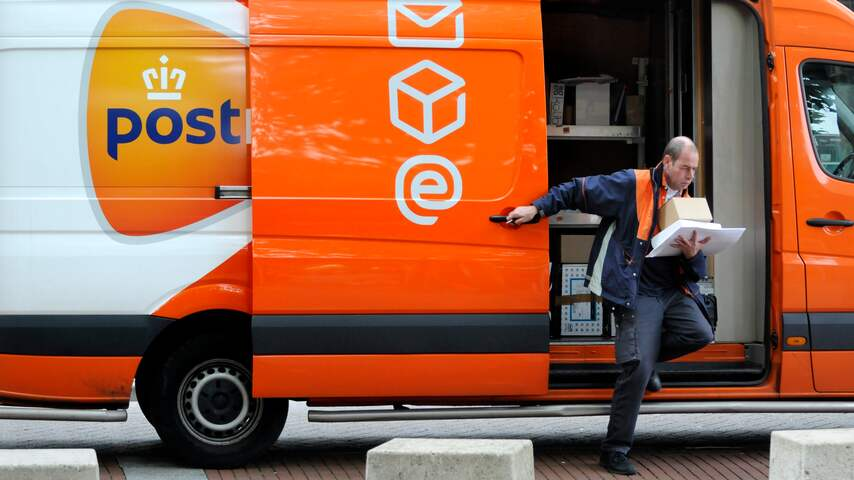
PostNL needed a faster and more scalable way to keep customers and partners informed about parcel deliveries. We implemented an event-driven architecture based on Kafka streaming. The result: real-time parcel notifications, reduced API traffic and a scalable infrastructure capable of processing more than 100 million messages per day.
PostNL is one of the leading postal and logistics providers in the Netherlands. Every day, the organization handles large volumes of parcels and delivery data for consumers, businesses, webshops and enterprise clients.
In this environment, timely communication is critical. Customers expect accurate delivery updates. Large clients need reliable parcel status information. Internal teams need infrastructure that can scale with growing digital demand.
That made notification services a strategic part of the customer experience.
The challenge: legacy integrations limiting real-time parcel tracking
PostNL’s existing IT landscape relied on FTP integrations and pull-based API patterns. This created several challenges.
Large clients needed frequent updates about parcel statuses. But instead of receiving updates only when something changed, systems often had to request information repeatedly.
That increased API traffic, operational costs and system load. At the same time, legacy integrations made it harder to provide real-time parcel tracking at scale.
- Inefficient FTP-based integrations
- High volumes of API requests from large clients
- Rising API-related costs
- Limited real-time notification capabilities
- Growing expectations from B2B and B2C customers
- The need to protect sensitive customer data
- Limited internal experience with event streaming
The goal was clear: move from a request-heavy model to a scalable, event-driven architecture that could deliver updates when they actually happen.
The solution: an event-driven architecture with Kafka streaming
AppyThings helped PostNL implement an event-driven architecture using Axual’s Kafka-based streaming platform.
Instead of clients repeatedly requesting parcel status information, the new architecture pushes updates when parcel statuses change. That shift from pull to push changed the way notification services operate.
- Publish parcel status updates as events
- Process high-volume data streams in real time
- Reduce unnecessary API calls
- Generate timely notifications for customers and partners
- Support large clients and smaller webshops through scalable integration patterns
Using Axual Cloud and KSML, PostNL could process data efficiently and generate notifications based on real-time parcel events. This created a more modern foundation for parcel tracking and customer communication.
Solving governance, development and security challenges
Moving to event-driven architecture is not only a technical change. It also requires new ways of working.
- Data governance across departments: Event-driven systems depend on clear ownership, structure and agreements around data. AppyThings supported the implementation of a governance model to help align departments and create consistency across the event landscape.
- Event-streaming enablement: Because event streaming was still a relatively new capability for the organization, development needed to remain accessible. KSML helped simplify the development of streaming logic, making it easier to build event-driven flows without unnecessary complexity.
- Secure data exchange: Parcel tracking involves sensitive customer data. To protect that data, the architecture used mTLS to secure communication and ensure trusted data exchange across the platform.
These measures helped PostNL move towards event-driven architecture without compromising governance, security or scalability.
The result: more than 100 million messages per day
The new event-driven notification system gave PostNL a scalable foundation for high-volume parcel communication.
- Real-time parcel updates: Customers and partners receive parcel notifications based on actual status changes, improving the timeliness and relevance of updates.
- Reduced API traffic: By moving away from repeated pull-based API requests, PostNL significantly reduced unnecessary API traffic.
- Lower API-related costs: Reducing the volume of avoidable API requests helped lower the operational costs associated with API traffic.
- Massive scalability: The system now processes more than 100 million messages per day, supporting PostNL’s high-volume logistics operations.
- Improved customer experience: Timely delivery updates improve the experience for both B2B clients and B2C customers.
- Better support for large and small clients: The architecture supports enterprise clients such as bol.com, while also enabling scalable solutions for smaller webshops.
Why this matters
Logistics is increasingly driven by real-time information. Customers want to know where their parcel is. Webshops want to keep buyers informed. Enterprise clients want reliable status data at scale.
Traditional integration models often struggle to support that level of responsiveness efficiently. The PostNL project shows how event-driven architecture can transform notification services.
By pushing updates when something changes, organizations can reduce system load, lower costs and improve customer experience at the same time.
Building the future of real-time logistics
For PostNL, event-driven architecture created more than a new notification system. It created a modern foundation for scalable, real-time logistics communication.
With Kafka streaming, governance, secure data exchange and simplified event processing, PostNL can handle massive message volumes while improving the way customers and partners receive parcel information.
Ready to move towards event-driven architecture?
Modern digital services require more than traditional API integrations.
AppyThings helps organizations design and implement event-driven architectures that support real-time communication, reduce unnecessary API traffic and create scalable integration foundations.
Want to explore how event-driven architecture could improve your digital services? Talk to our experts.
